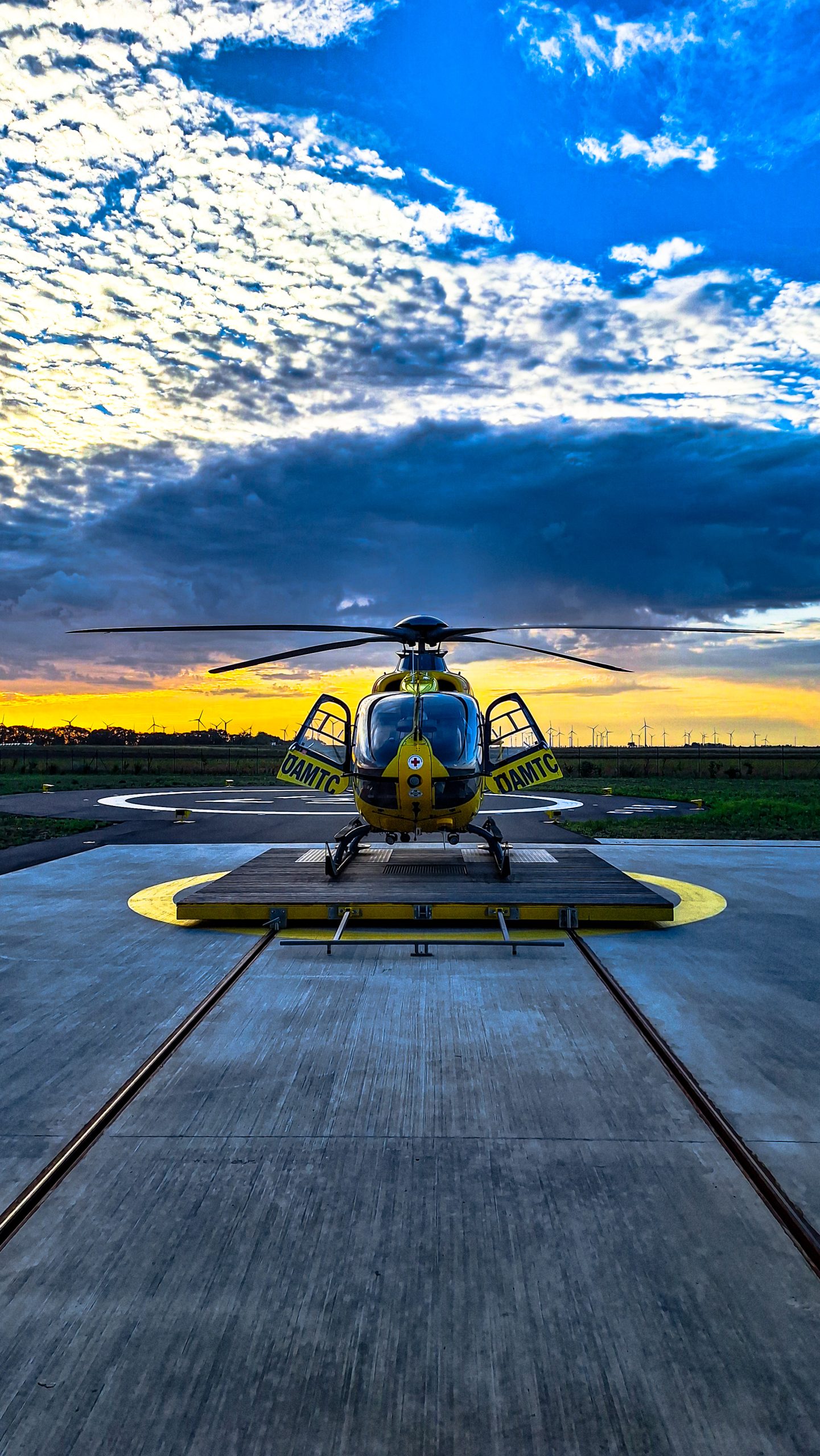
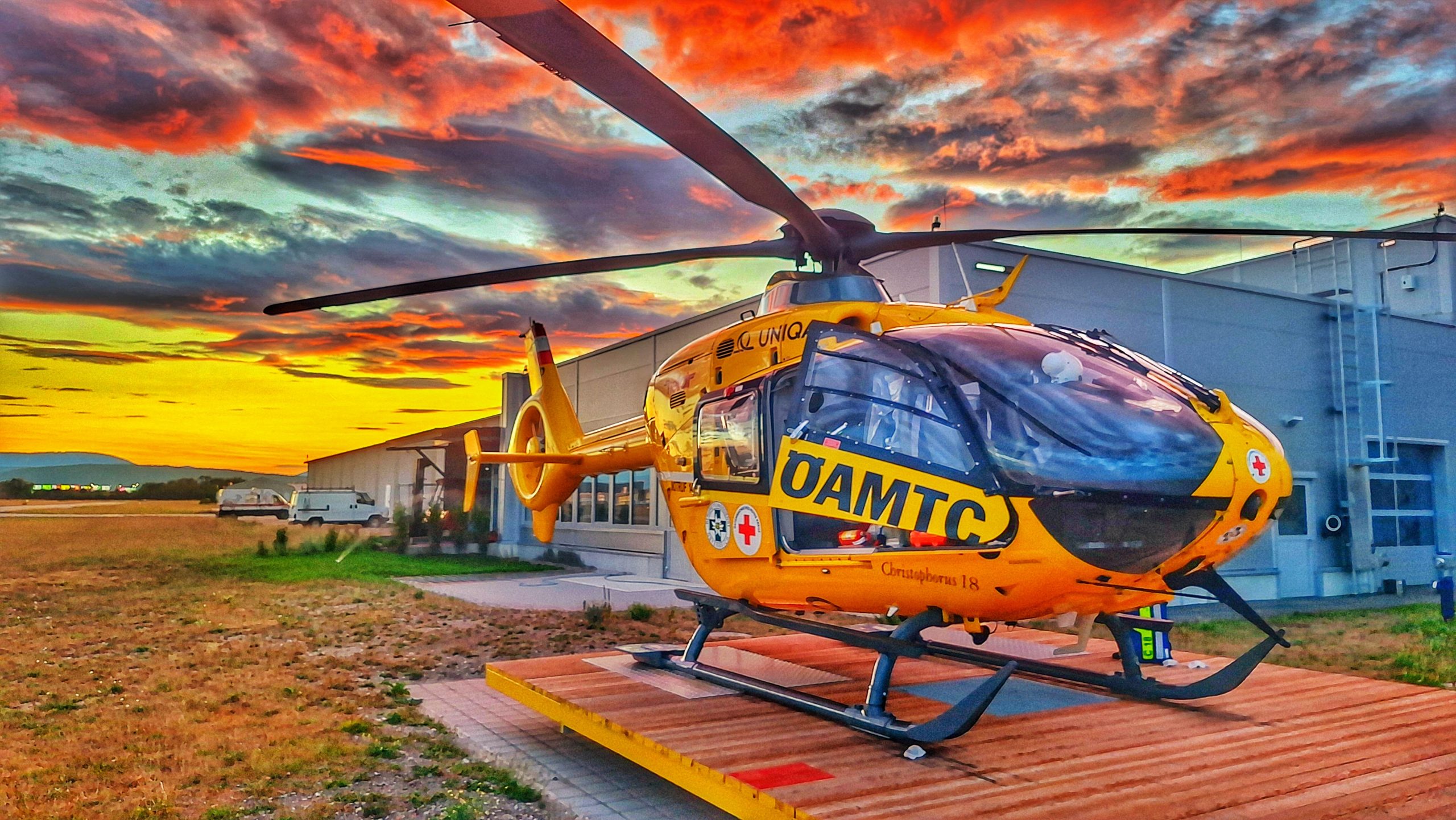
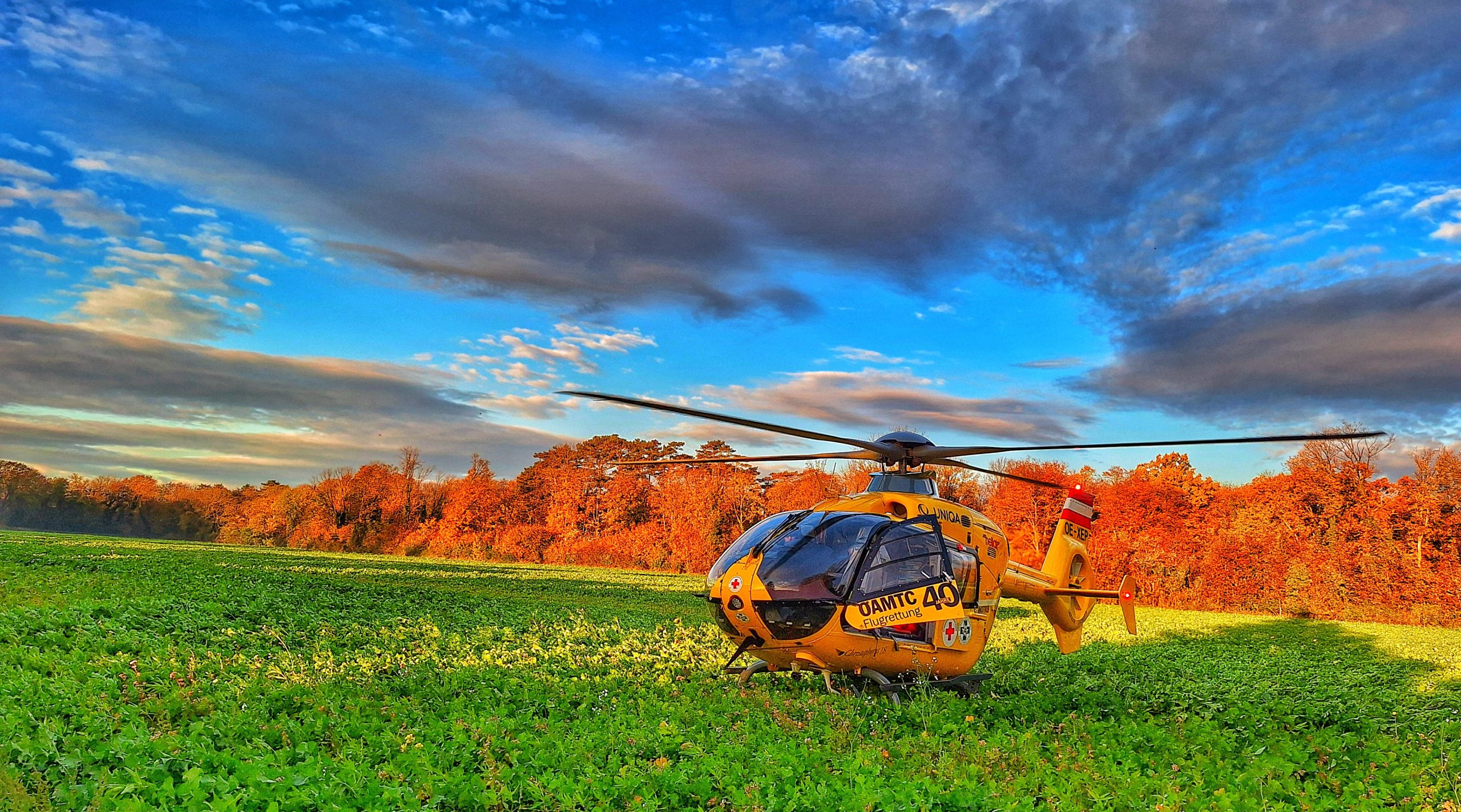
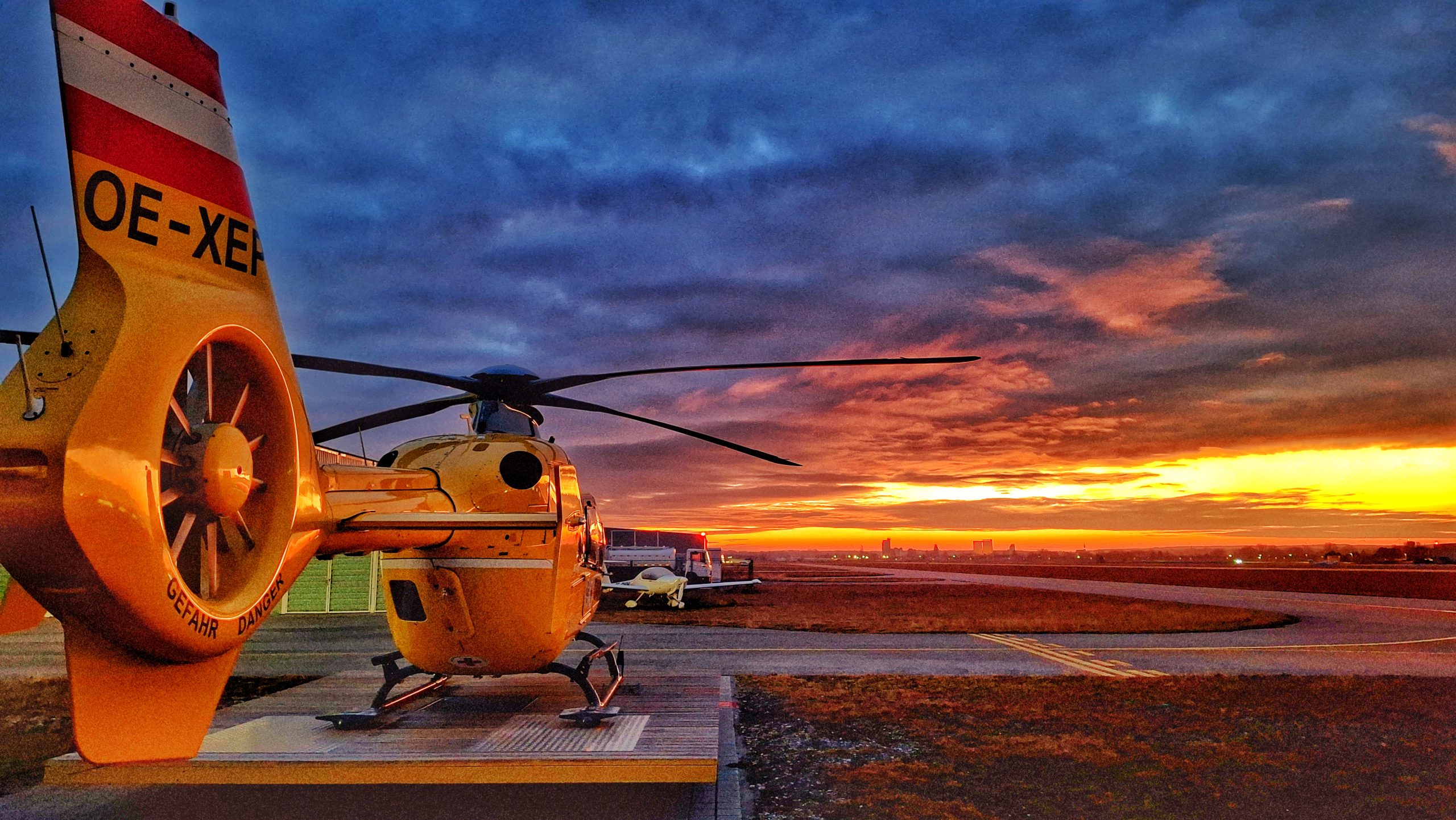
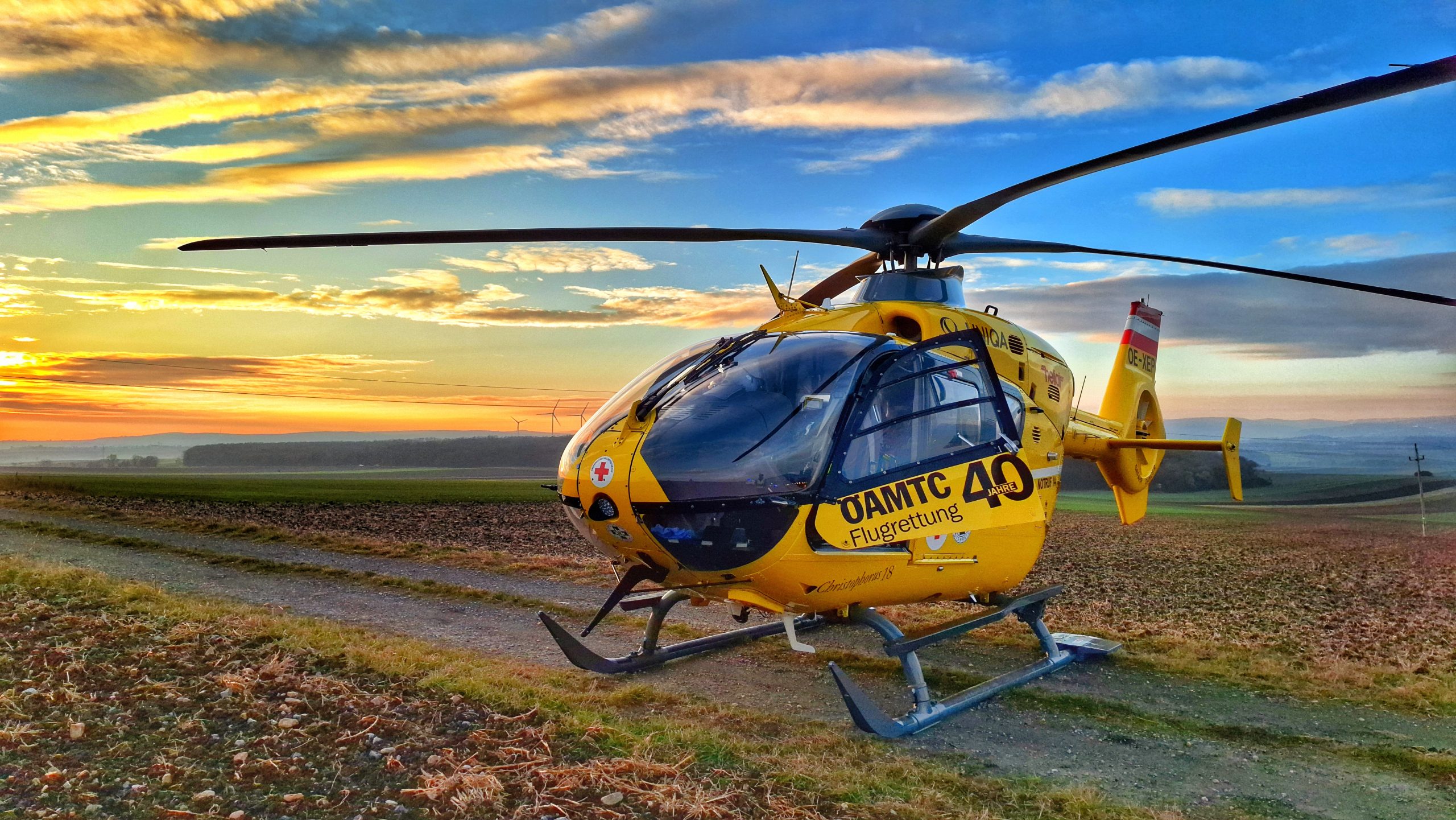
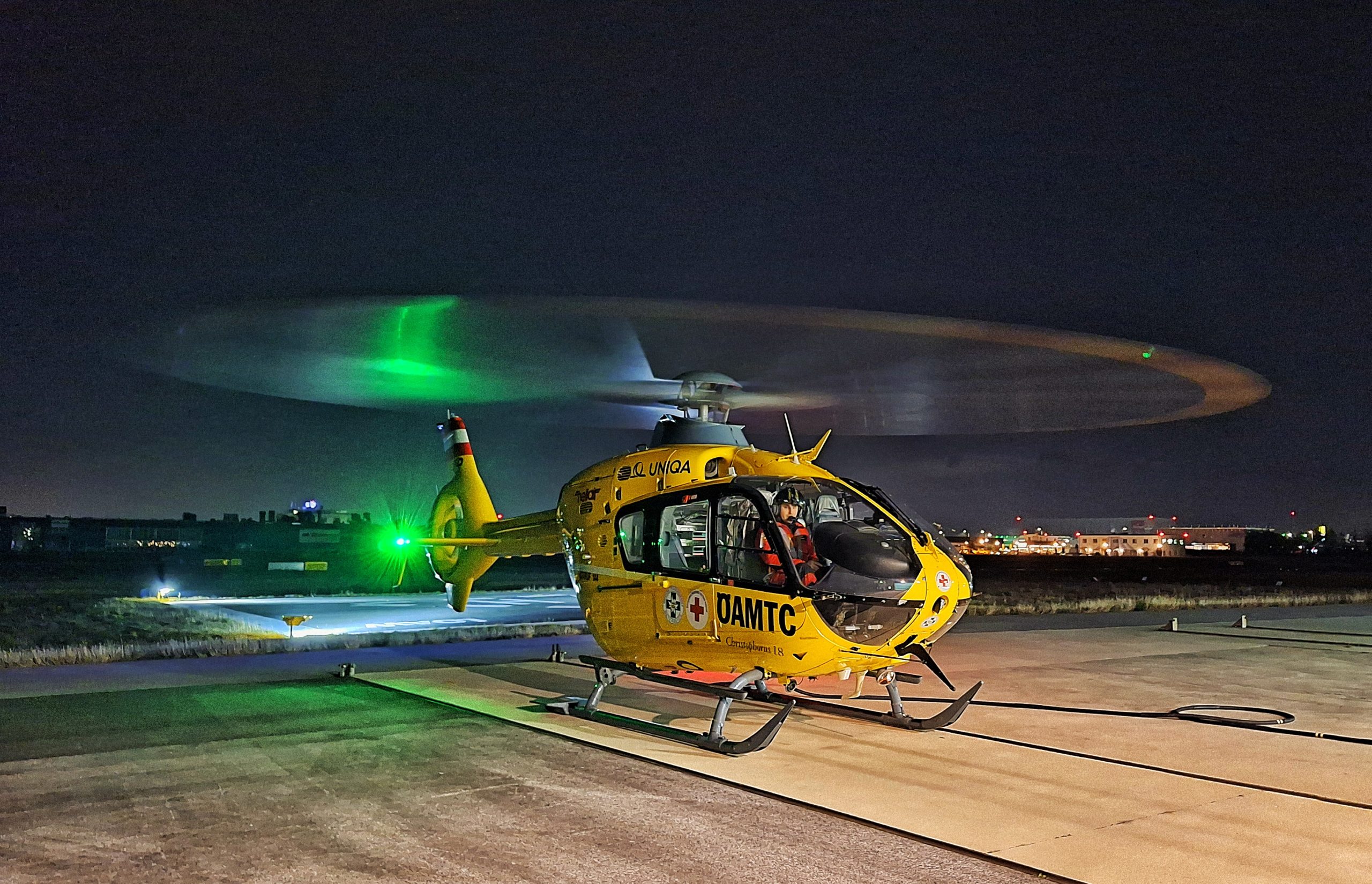
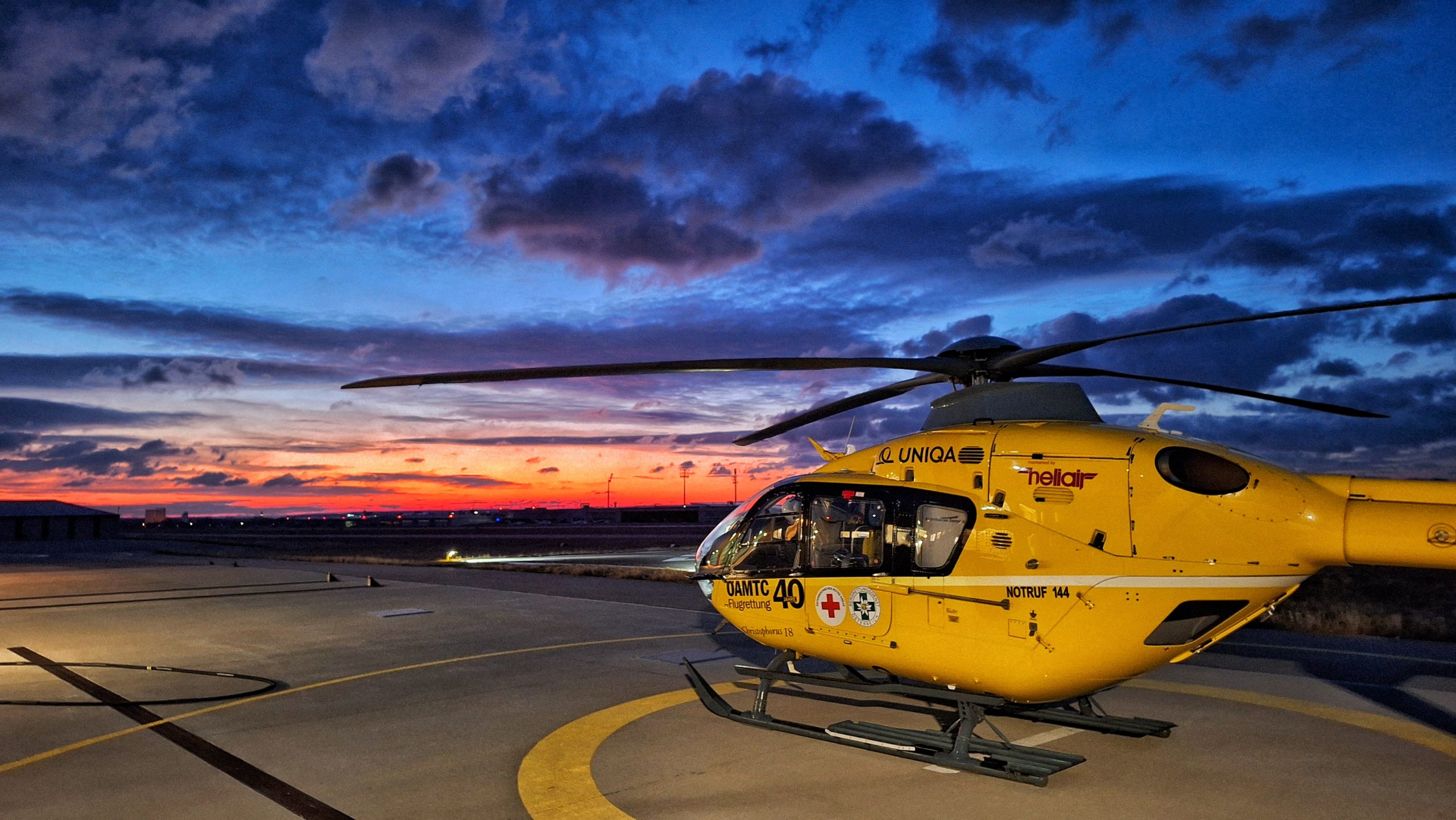
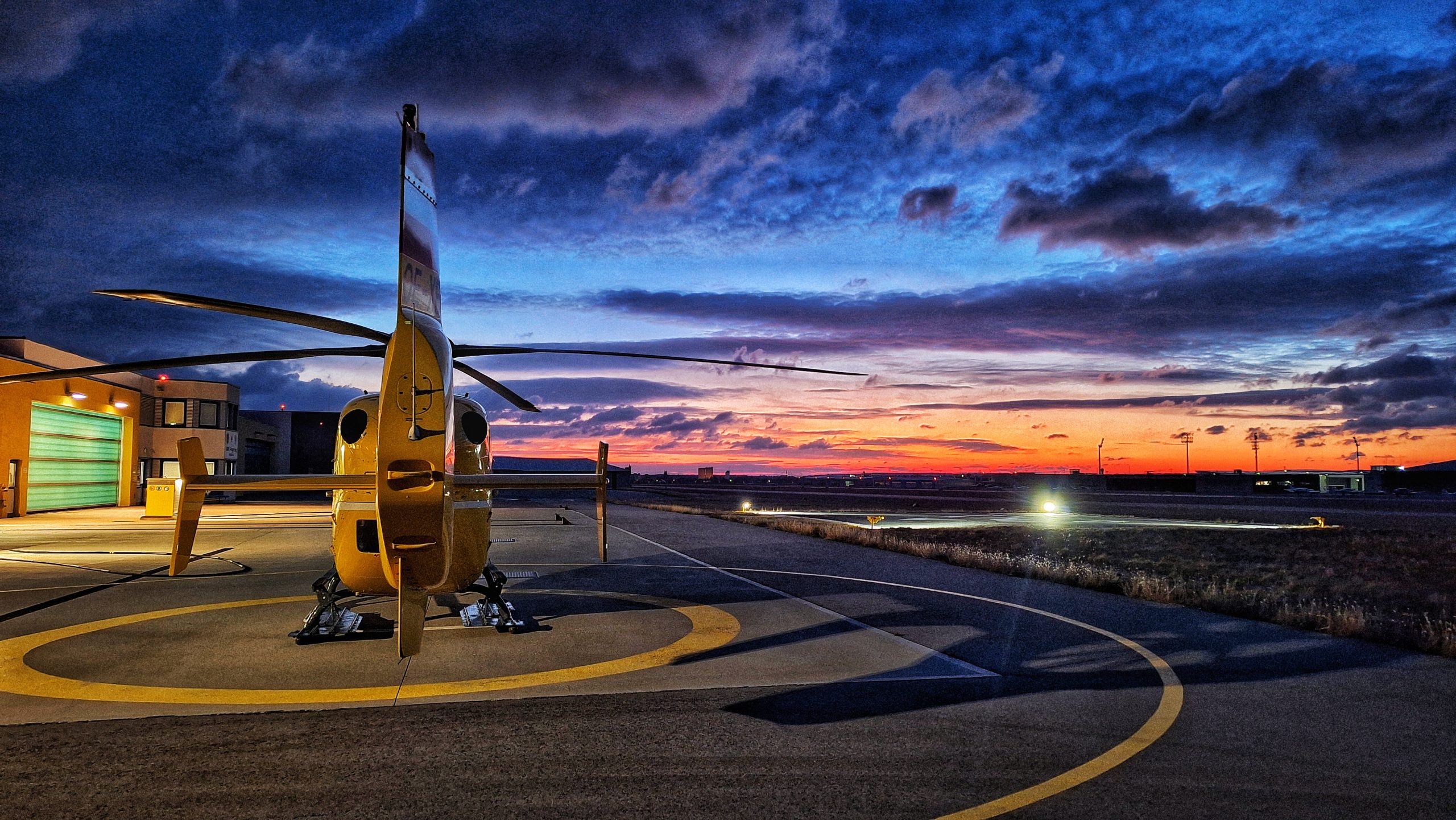
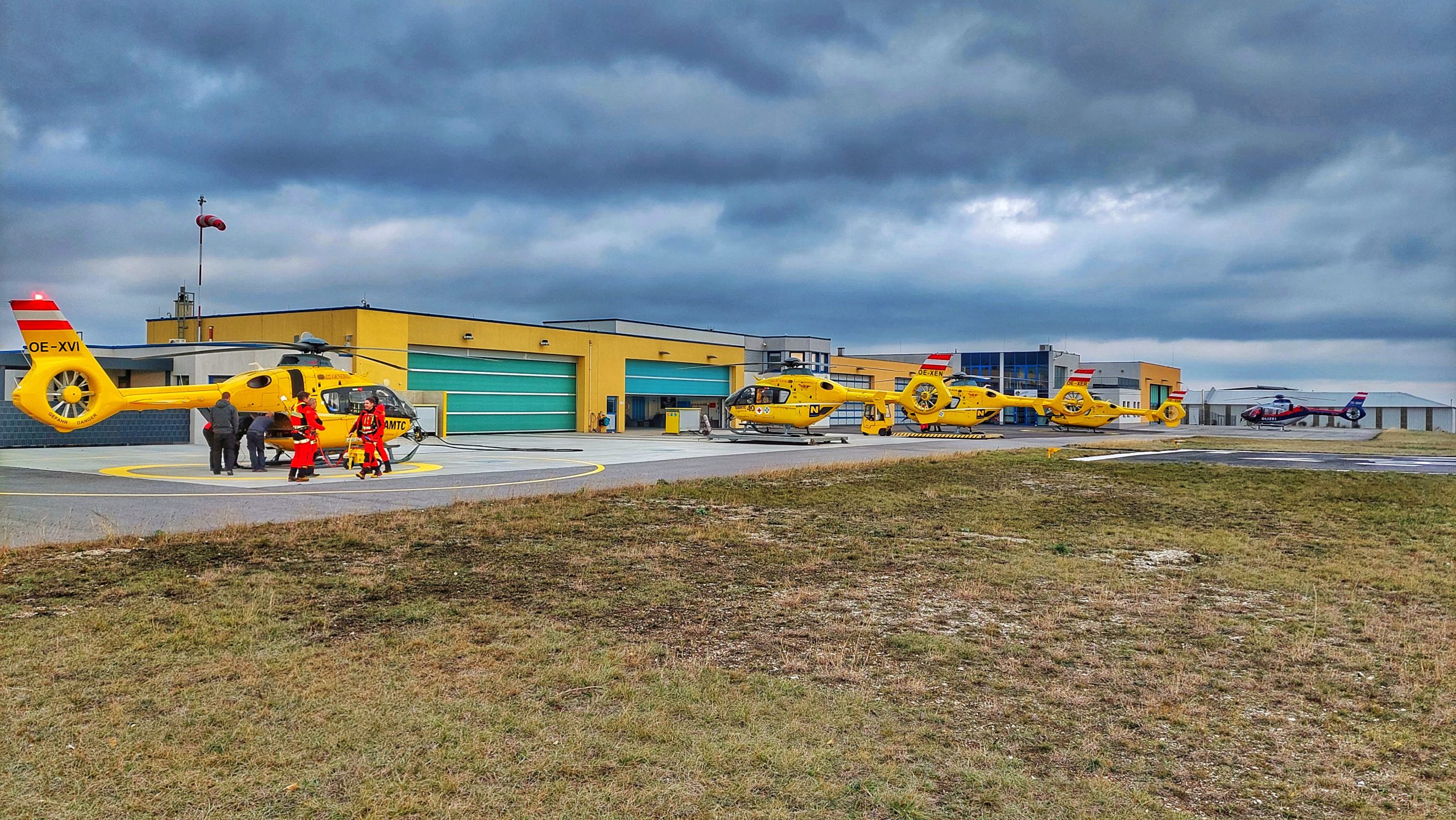
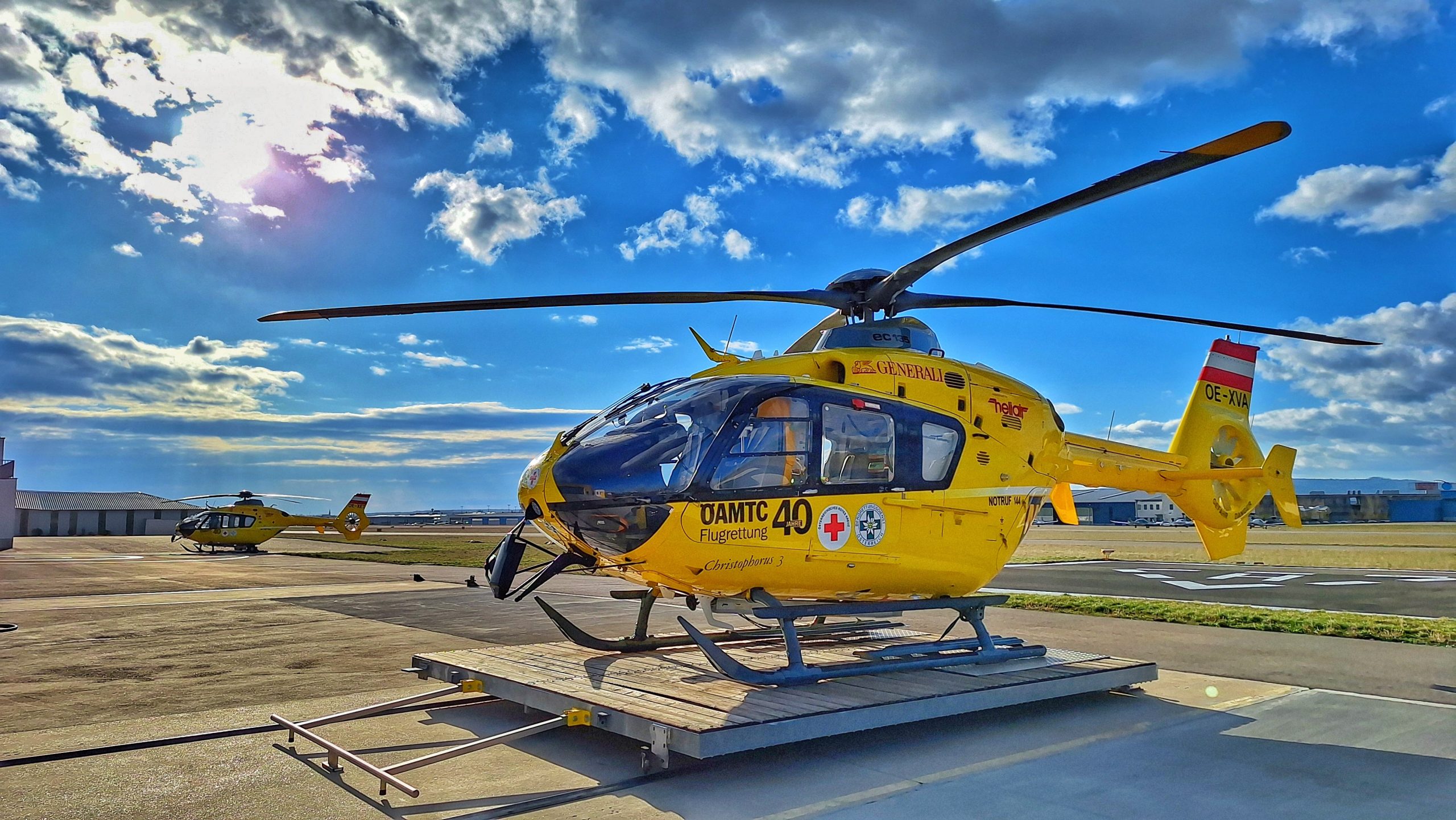
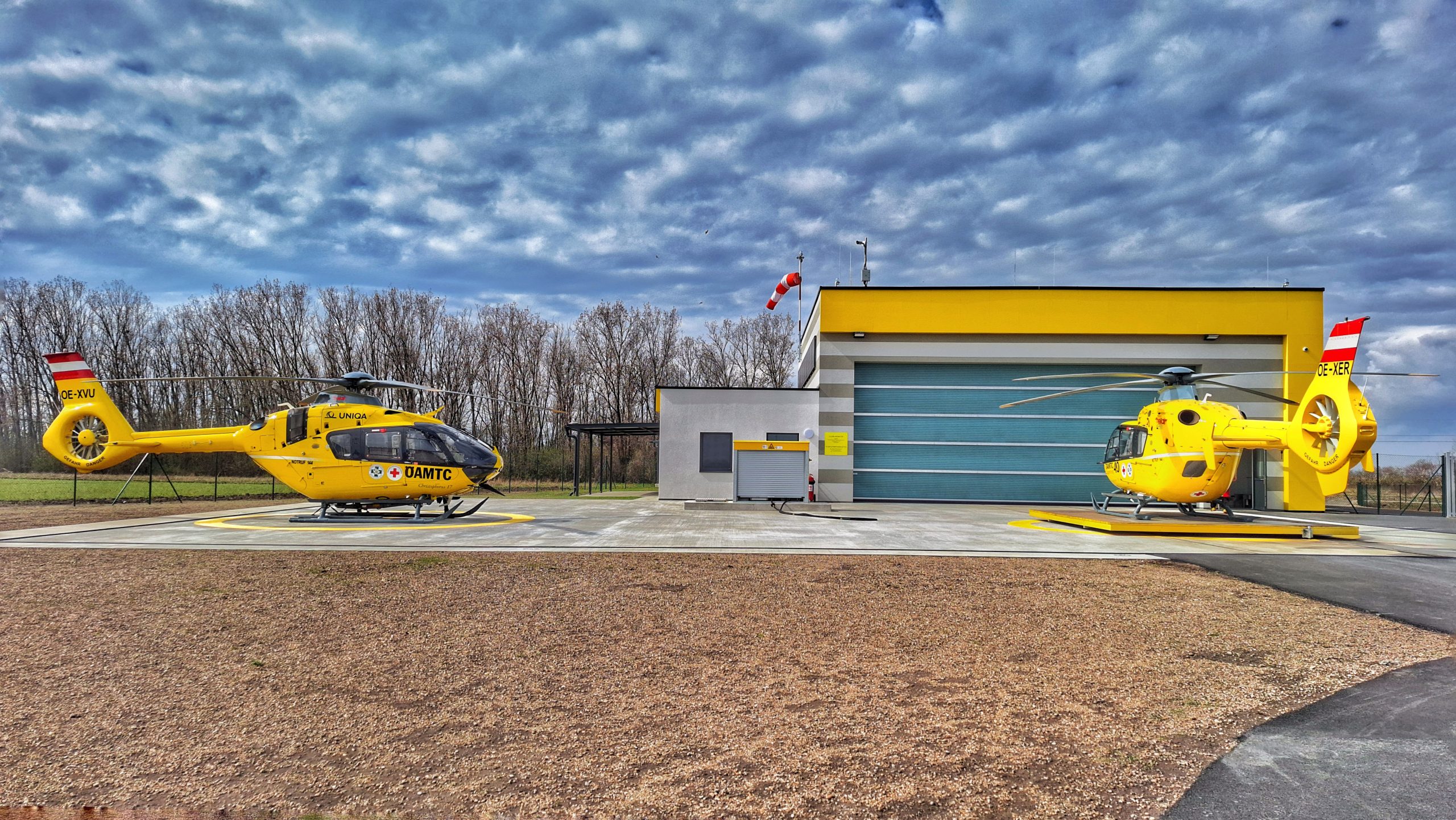
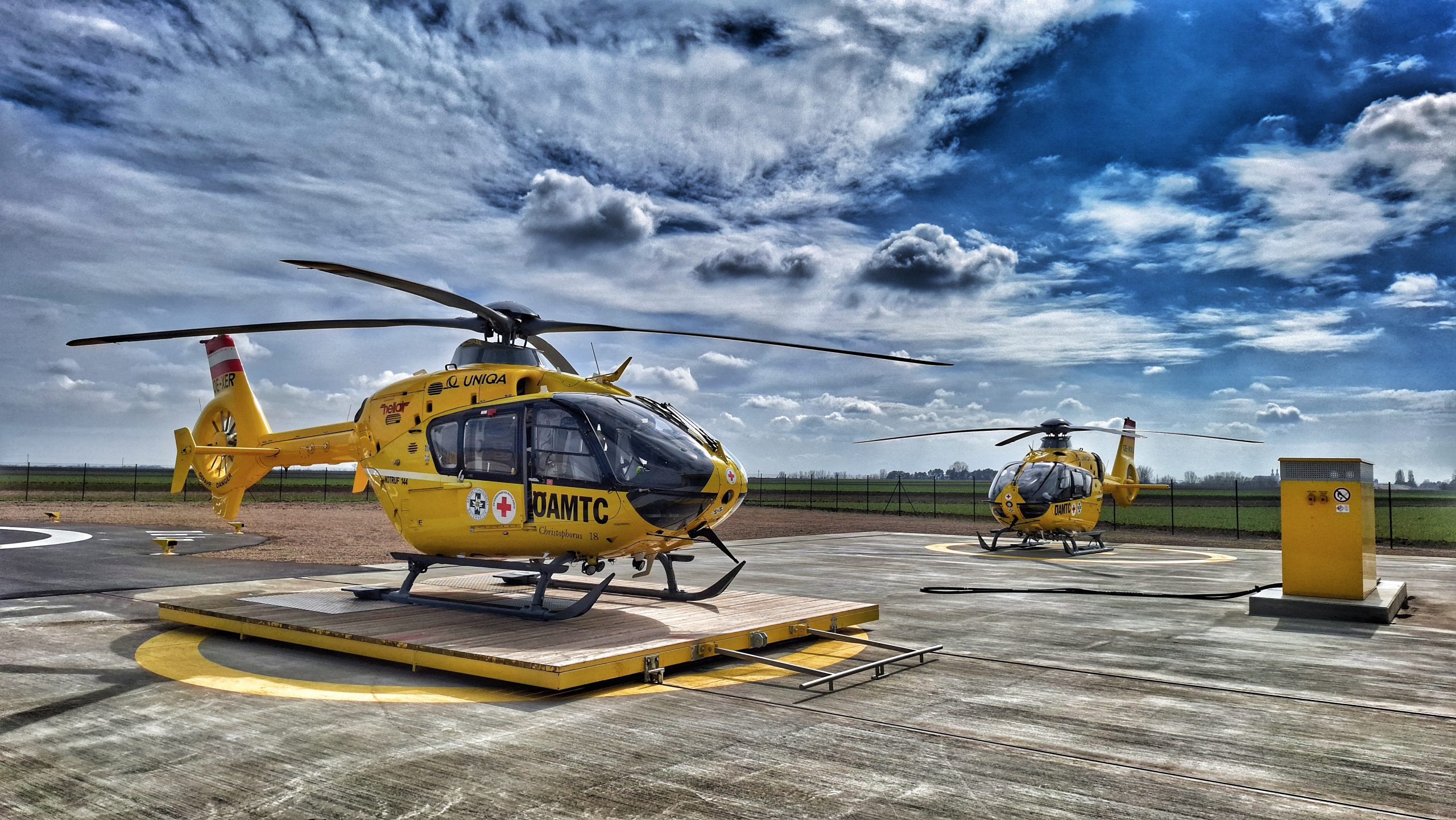
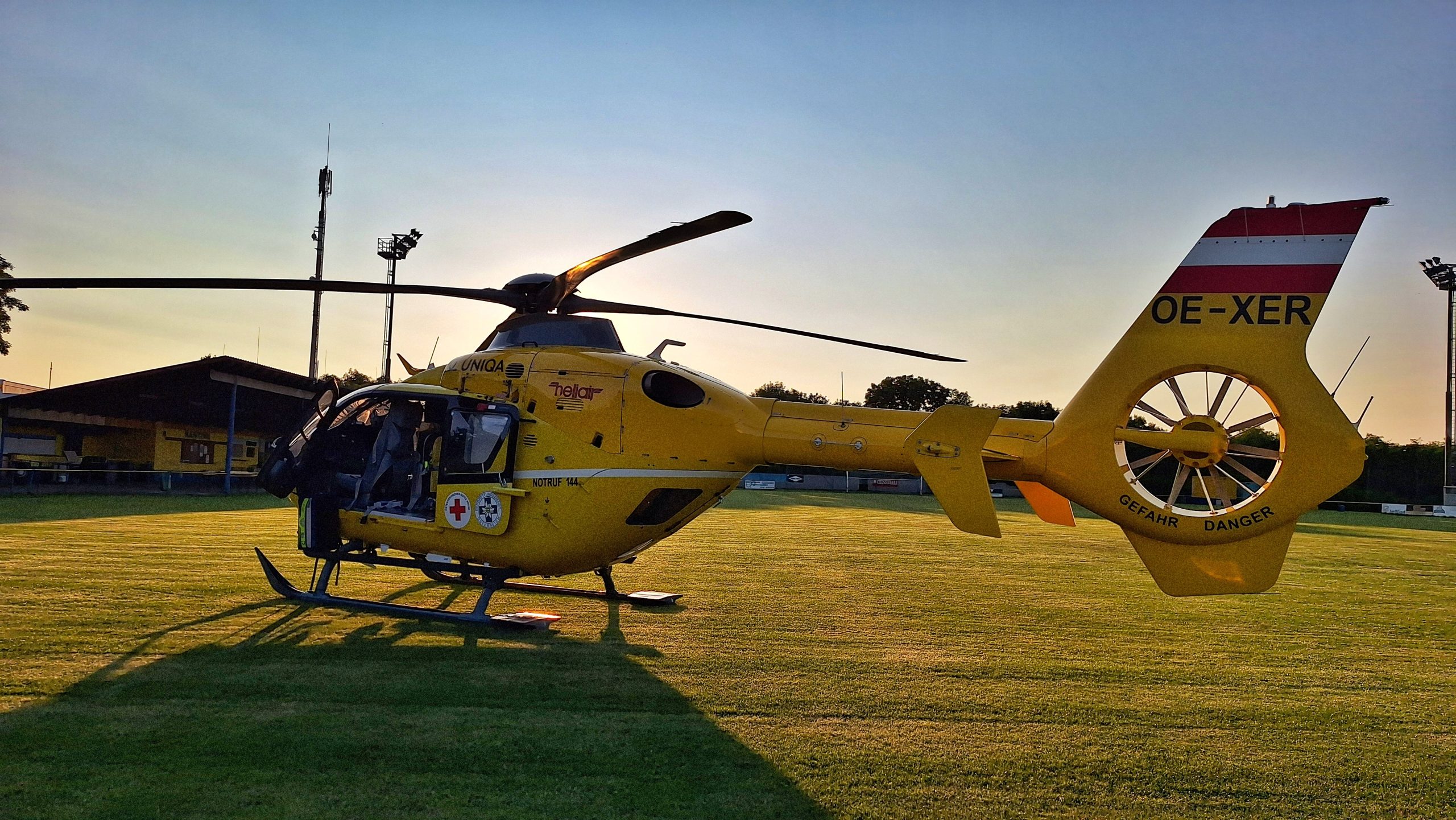
Christophorus 18

Rapid Assistance for Burgenland and the Neighboring Regions
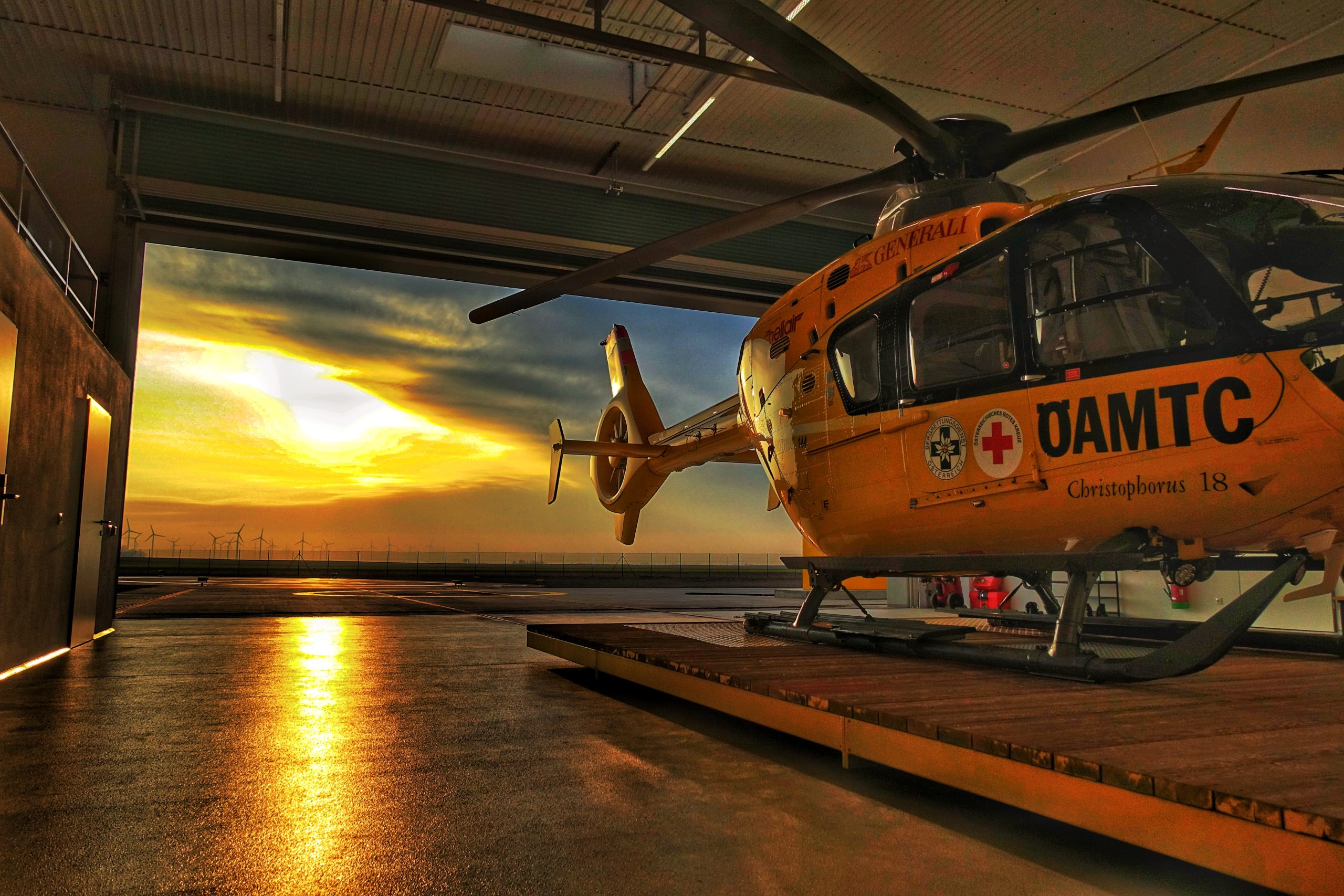
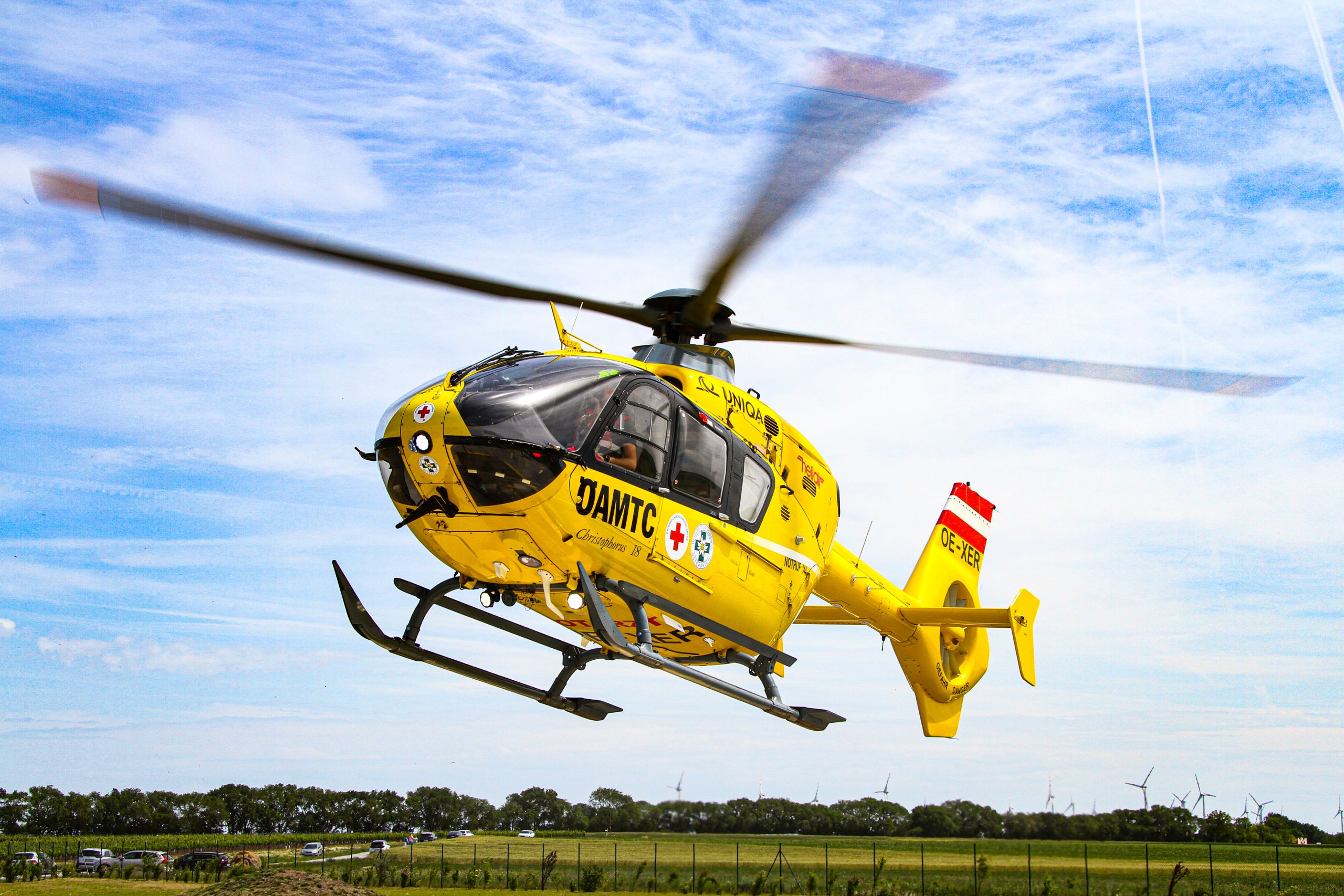
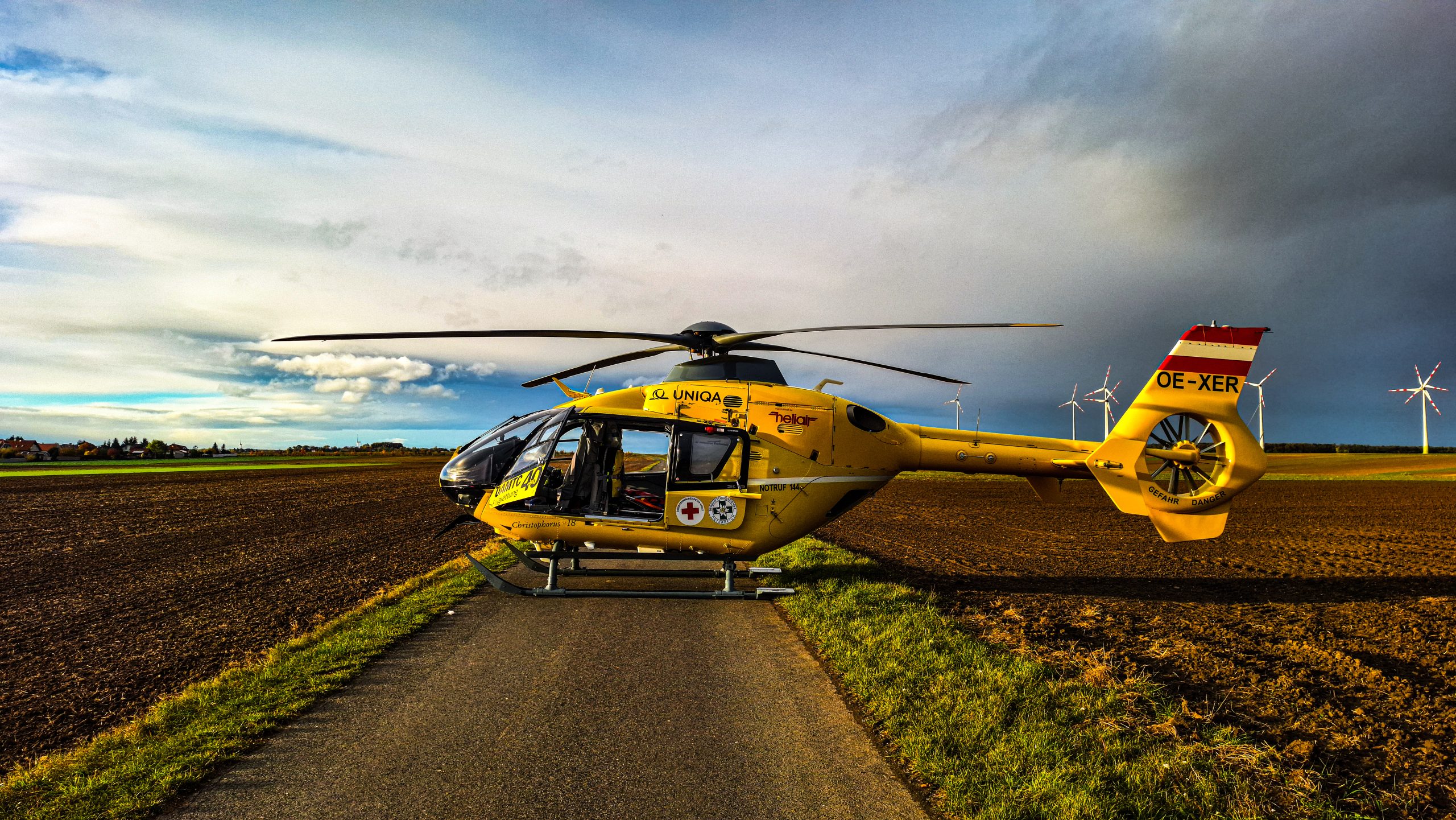
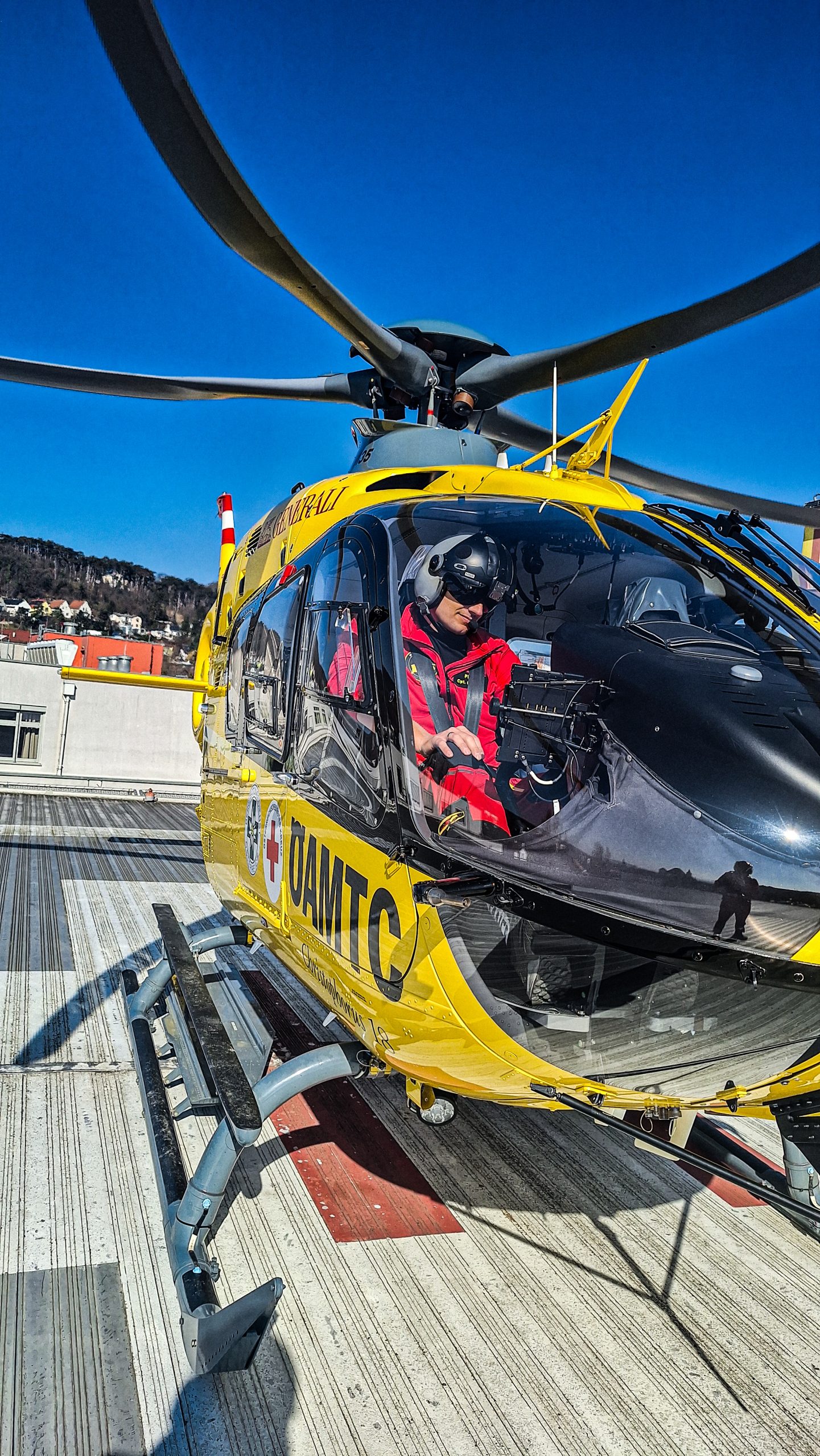
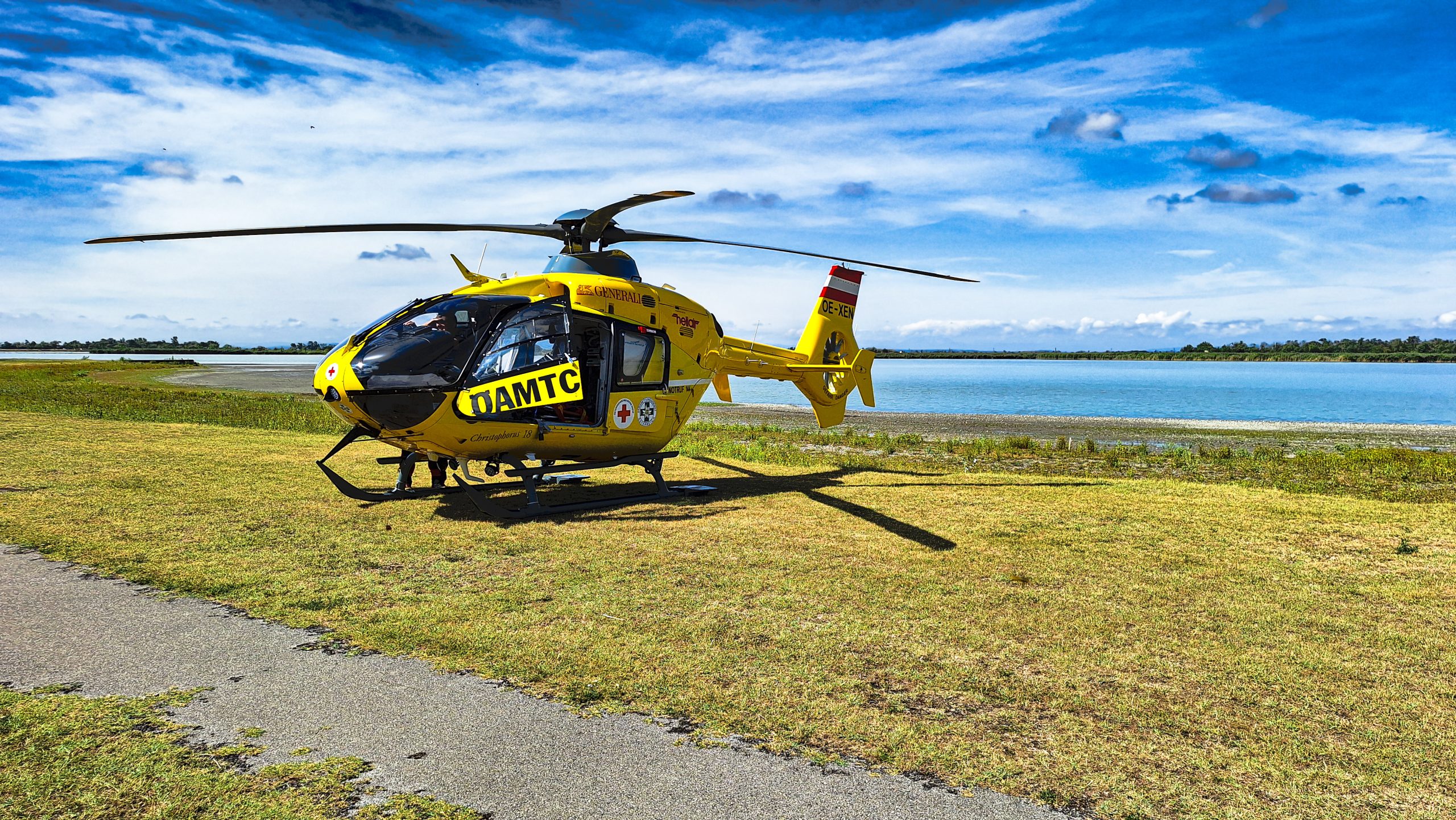
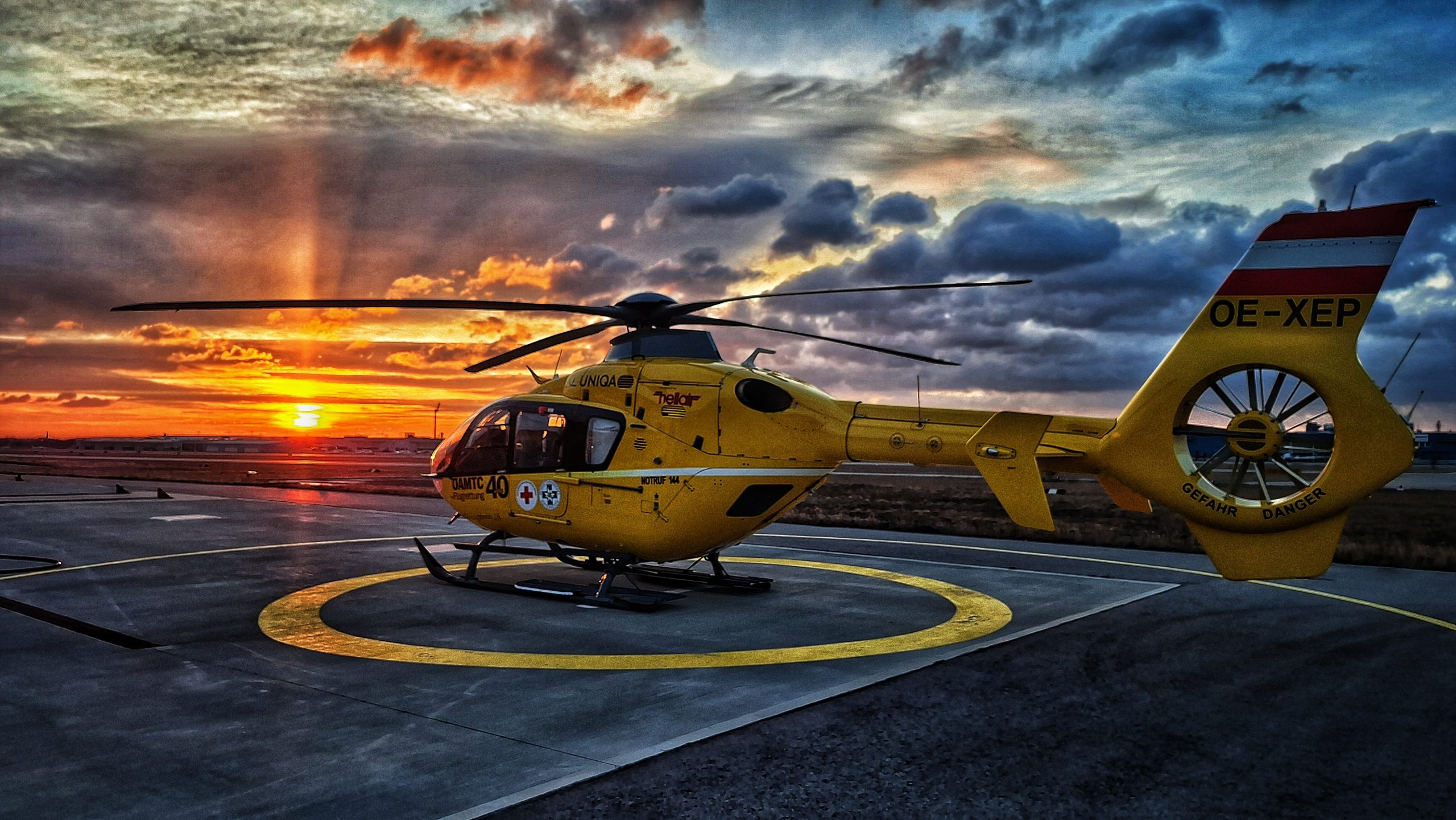
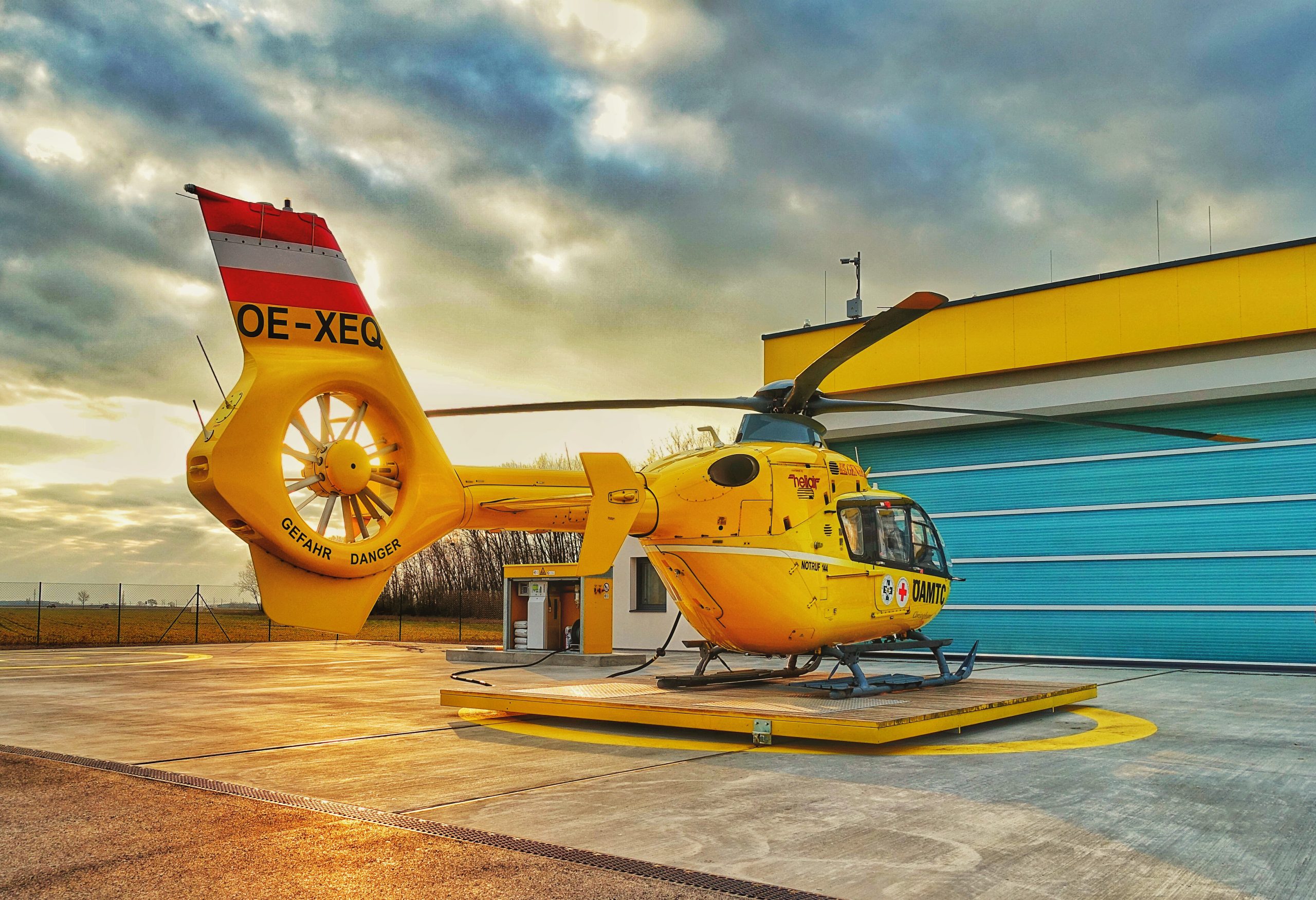
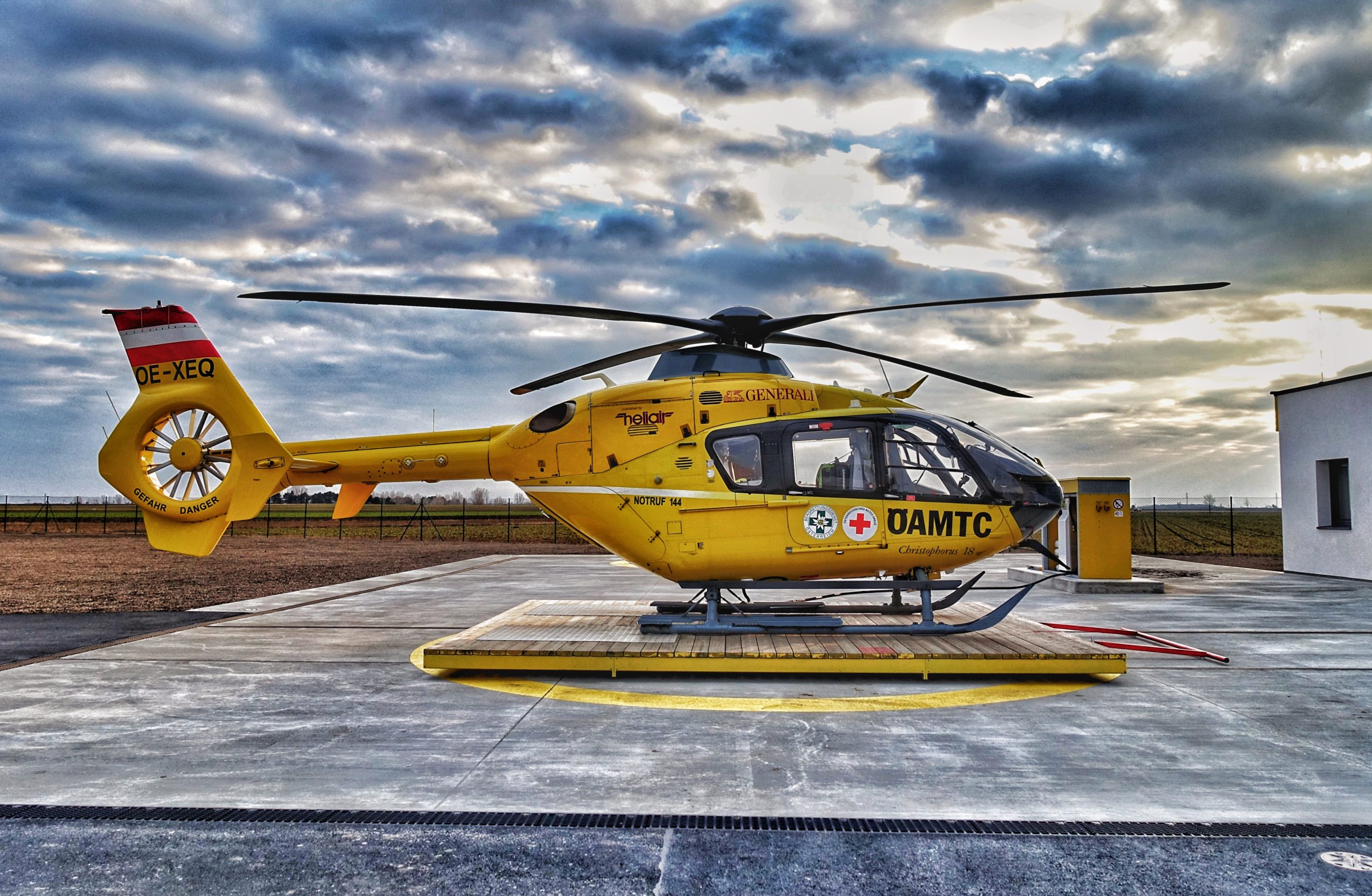
Christophorus 18 It is stationed in Frauenkirchen and provides rapid emergency medical assistance by air in Burgenland and the neighboring regions. The emergency medical helicopter is dispatched to serious accidents, medical emergencies, and time-sensitive missions where every minute counts.
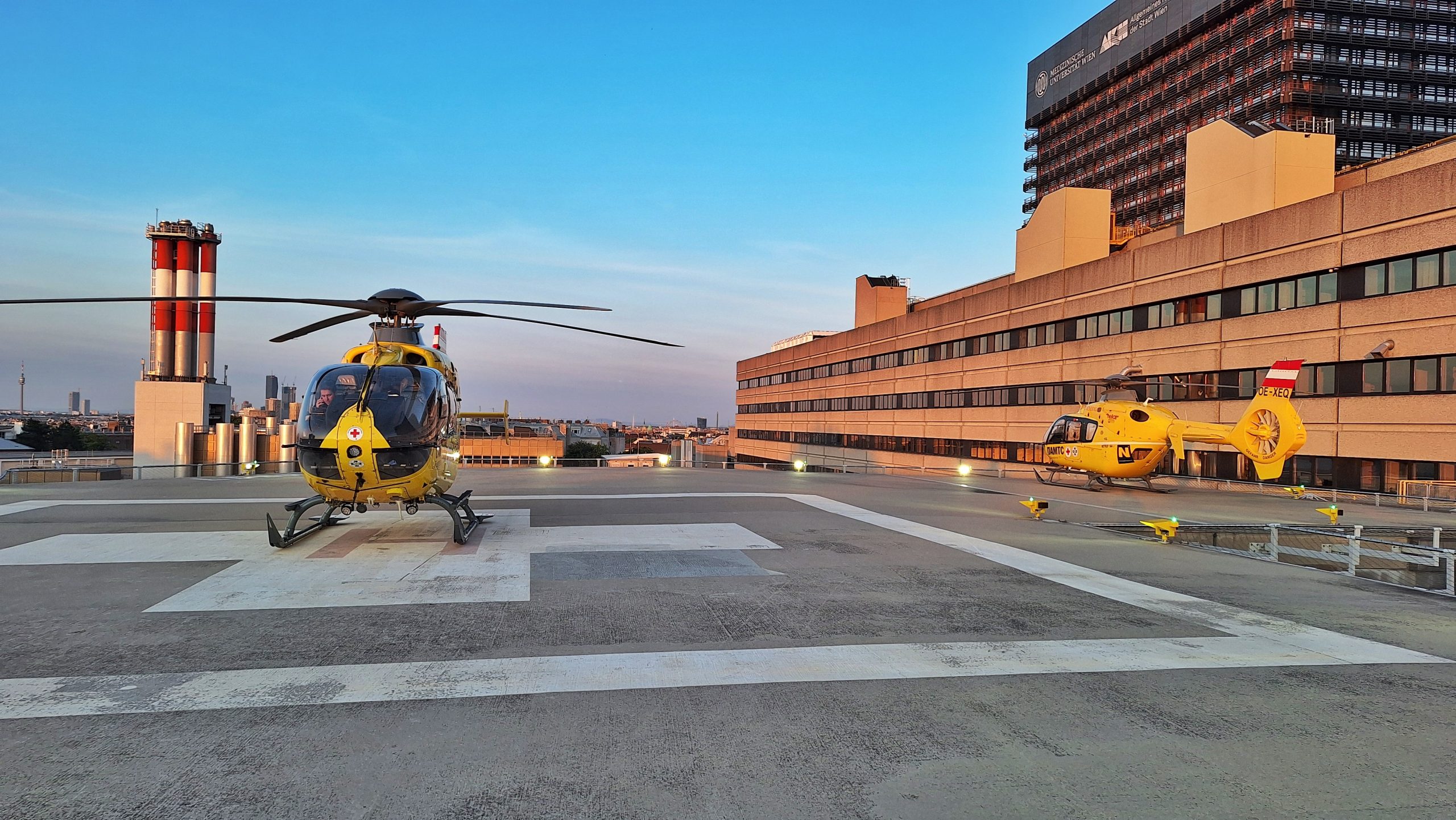
Thanks to its location, the crew can quickly respond to incidents in rural areas as well as to emergencies across the region. Together with emergency medical services, fire departments, hospitals, and other emergency response organizations, Christophorus 18 makes an important contribution to providing emergency medical care to the public.
Profile
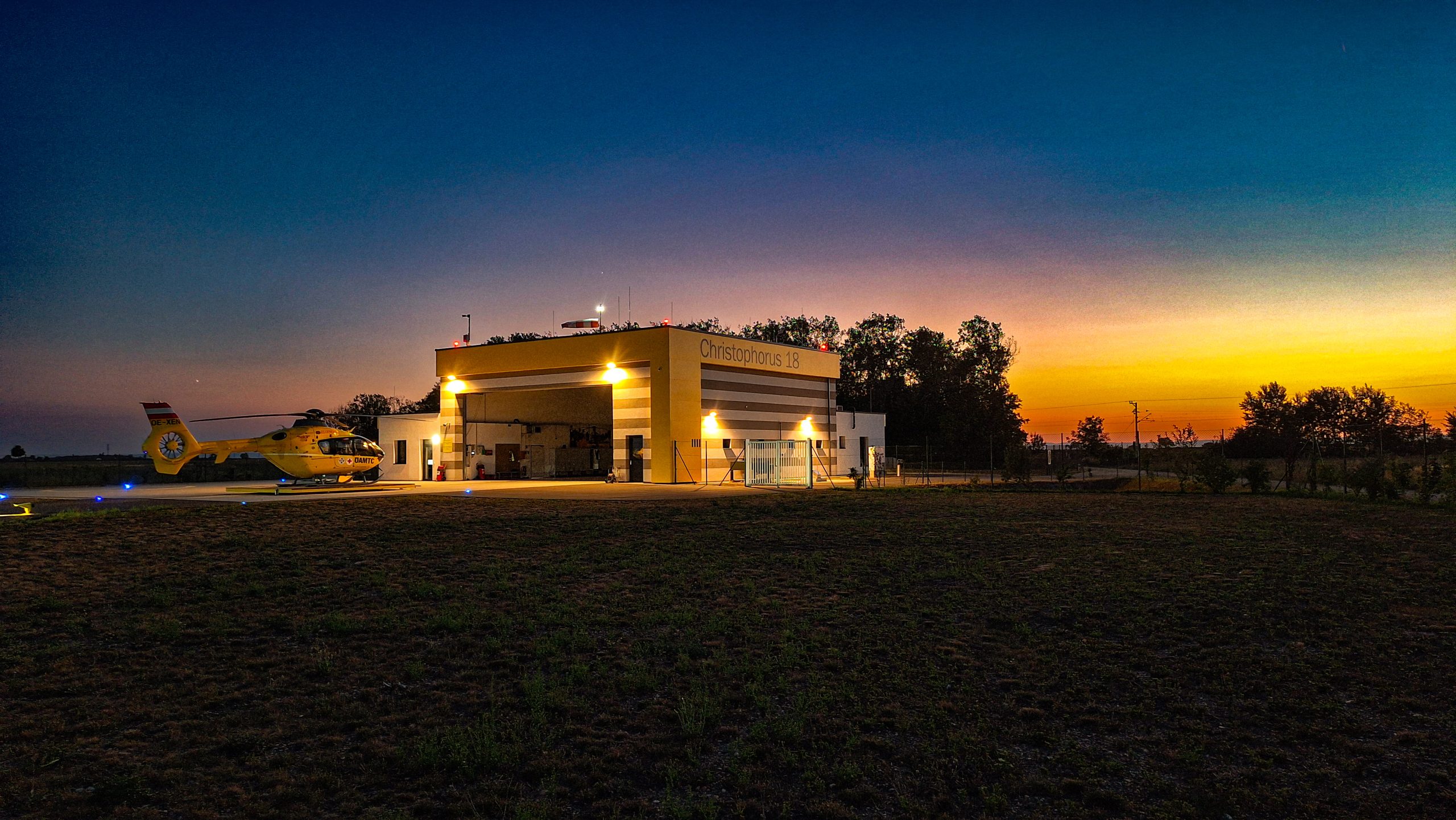
About the Base
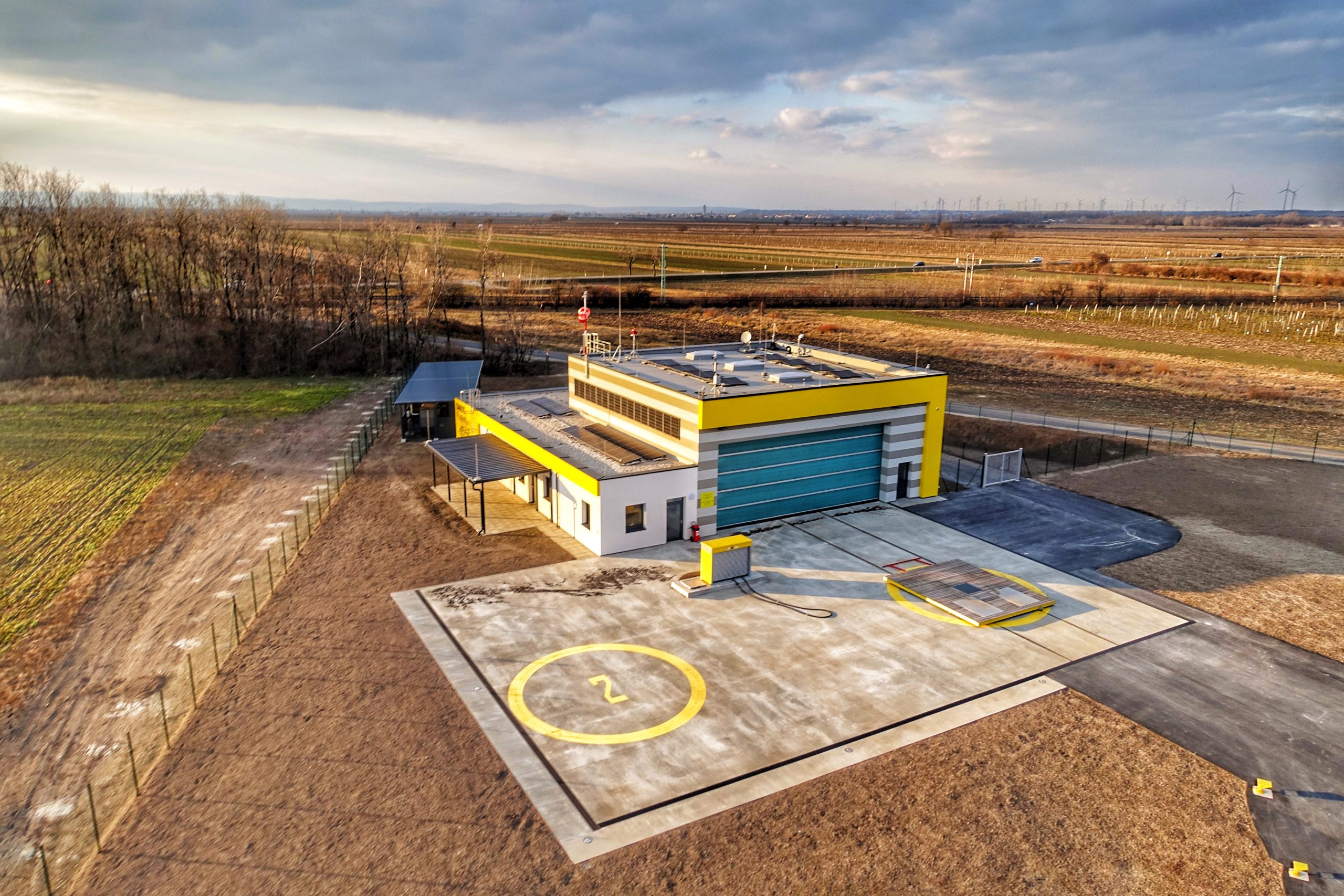
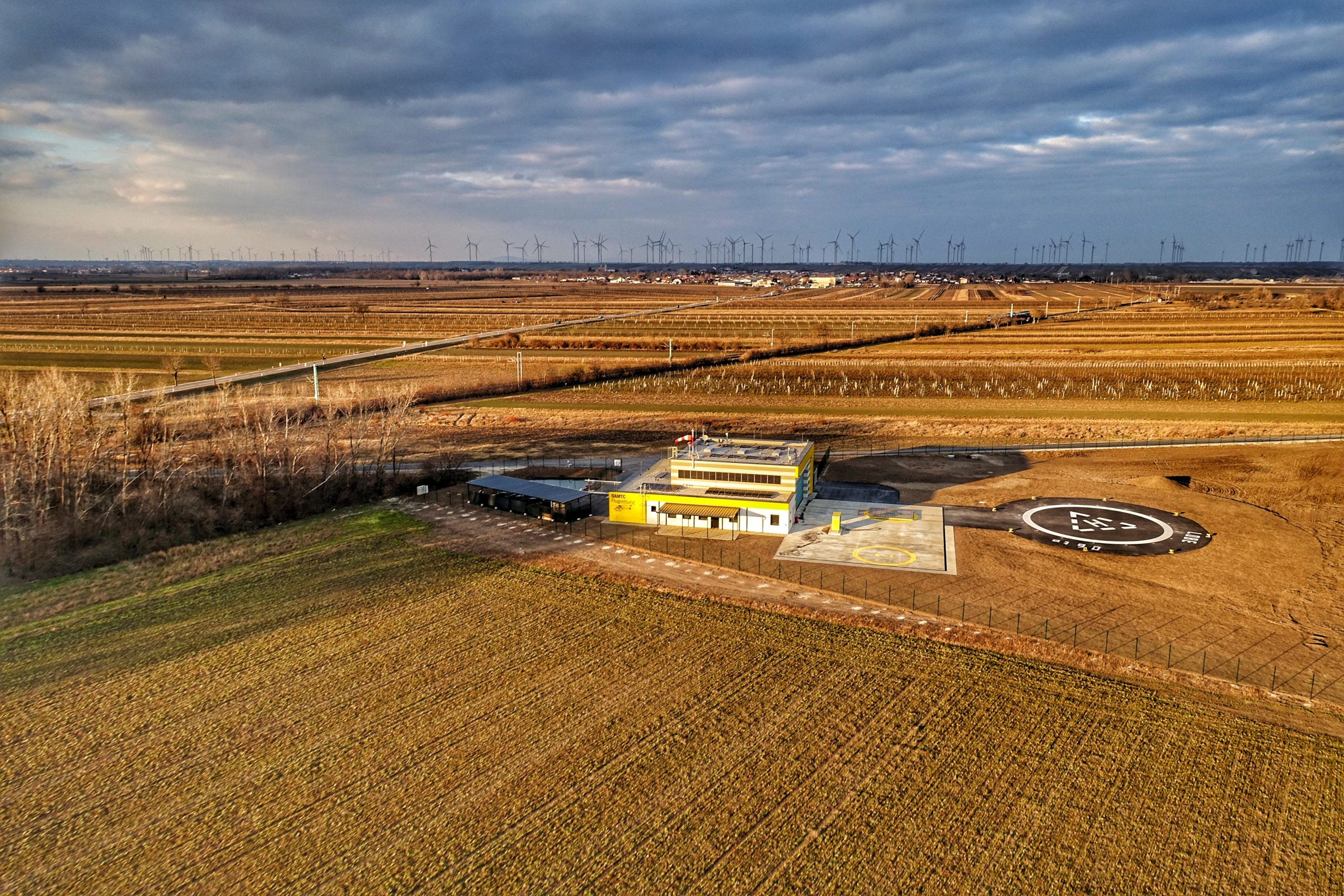
The emergency medical helicopter “ Christophorus 18 ” is stationed in Frauenkirchen in Burgenland and, thanks to its central location in the Neusiedl am See district, provides optimal coverage for northern and central Burgenland as well as parts of Lower Austria and Vienna. The base is operational 365 days a year from 7:00 a.m. to 8:00 p.m. or until the end of civil twilight (ECET). Since it began operations on April 1, 2024, Christophorus 18 has been the newest base in the ÖAMTC’s air rescue network and fills an important gap in the region’s emergency medical care. With approximately 1,200 missions per year, the base plays a vital role in ensuring that emergency patients—even in rural and hard-to-reach areas—receive prompt medical care and are quickly transported to appropriate hospitals.

Field of Application
Christophorus 18 ’s service area covers northern and central Burgenland, including the districts surrounding Neusiedl am See, as well as parts of Lower Austria and Vienna. The region is characterized by Lake Neusiedl—the largest steppe lake in Central Europe—and the vast, flat landscape of the Seewinkel. Since the lake acts as a natural barrier and the settlement pattern is highly fragmented, emergency sites are often located away from major roads, and the distances to major hospitals are long. For ground-based emergency responders, this means long travel and transport times, so the use of the emergency medical helicopter provides a crucial time advantage, especially for critically ill and seriously injured patients.
Another notable feature is the high population density: In addition to the local residents—which include many commuters traveling to Vienna—the region attracts a large number of visitors, especially during the summer months, who come to swim, sail, surf, and bike around the lake, as well as to attend events and festivals. Typical emergency calls therefore include traffic accidents on heavily traveled routes, internal medicine and neurological emergencies such as heart attacks and strokes, recreational and water sports accidents on and in the lake, as well as workplace accidents in agriculture, forestry, and viticulture. Through its operations extending beyond state borders into Lower Austria and Vienna, the station also serves as an important cross-state partner for ground-based emergency medical services.
You are currently viewing placeholder content from Google Maps. To access the actual content, click the button below. Please note that doing so will result in data being shared with third-party providers.
More Information